Understanding Generational Trauma in Black Families
Generational trauma does not always show up as something obvious. It often lives quietly in habits, beliefs, and emotional patterns that get passed down over time. In Black families, this trauma can be deeply rooted in historical experiences such as slavery, segregation, systemic racism, and ongoing social inequities. These experiences did not just affect one generation. They shaped the way families communicate, cope, protect, and survive.
For many, survival required strength, silence, and endurance. Emotions were often pushed aside because there was no room to process them. Over time, those unprocessed emotions became inherited behaviors. Children learn how to respond to stress, conflict, and love by watching the adults around them. Without intentional healing, cycles repeat themselves.
Breaking generational trauma is not about blaming previous generations. It is about understanding the context they lived in while choosing a different path forward.
How Generational Trauma Shows Up Today
Generational trauma can appear in subtle but powerful ways. It may look like emotional distance within families, difficulty expressing vulnerability, or a constant sense of pressure to succeed. Many high-achieving Black individuals feel the weight of being “the strong one,” carrying responsibilities without space to rest.
It can also show up in parenting styles that lean heavily on control or protection, sometimes rooted in fear for safety in an unpredictable world. Relationships may struggle with communication, trust, or emotional intimacy. Even when there is love, there can be patterns that create distance instead of connection.
Recognizing these patterns is the first step. Awareness allows you to pause and ask whether what you learned is still serving you.
Why Healing Can Feel Difficult
Healing generational trauma is not always straightforward. For many Black individuals and families, there is a deep cultural narrative around resilience. Strength has been necessary for survival, but it can also make it harder to admit when support is needed.
There can also be hesitation around therapy due to past experiences with systems that did not feel safe or culturally aligned. Some people feel they must explain their identity or defend their experiences in traditional therapy spaces. That can make the idea of opening up feel exhausting before it even begins.
Healing requires vulnerability, and vulnerability can feel risky when you have been conditioned to stay guarded. This is why culturally aligned spaces are so important. When you feel seen and understood without needing to explain yourself, healing becomes more accessible.
Where to Start the Healing Process

Acknowledge the Patterns Without Judgment
The first step is recognizing that certain behaviors, reactions, or beliefs may be rooted in inherited experiences. This does not mean something is wrong with you or your family. It means you are becoming aware.
When you notice patterns such as emotional shutdown, fear of failure, or difficulty trusting others, pause and reflect. Ask yourself where this might have come from. Awareness creates space for change.
Give Yourself Permission to Feel
Many people were taught to suppress emotions in order to stay strong. Healing begins when you allow yourself to feel without shame. This might include grief, anger, sadness, or even relief.
Emotions are not weaknesses. They are signals. When you allow them to surface, you begin to release what has been carried for too long.
Redefine What Strength Means
Strength does not have to mean carrying everything alone. True strength can look like setting boundaries, asking for help, or choosing rest. It can look like breaking a pattern even when it feels unfamiliar.
Redefining strength is a powerful step in ending cycles. It allows future generations to experience a different version of what it means to be strong.
Start New Conversations
Healing often begins with conversation. This might mean having honest discussions with family members about experiences that were never talked about before. It might also mean expressing your needs in relationships more clearly.
Not every conversation will go perfectly, and not everyone will be ready. What matters is that you are opening the door for something new.
Seek Culturally Aligned Support
Working with a therapist who understands your cultural background can make a significant difference. You should not have to explain your lived experience in order to be understood.
Culturally aligned therapy creates a space where your identity, history, and values are respected. It allows you to focus on healing rather than translation.
Healing Within Families and Relationships

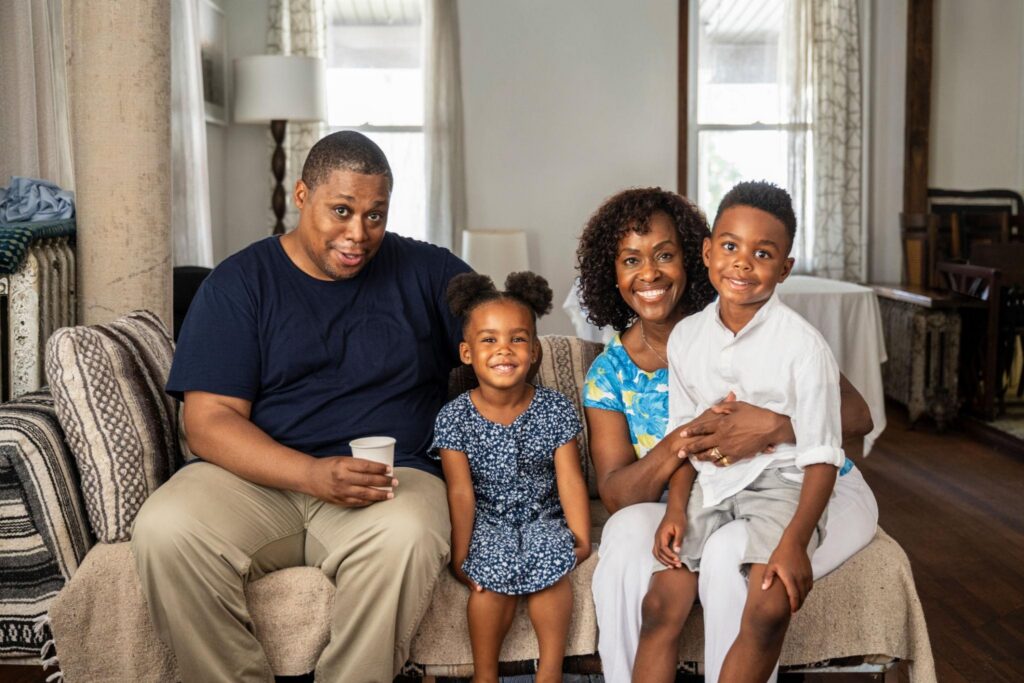
Breaking generational trauma is not just an individual journey. It impacts how families connect and grow together. When one person begins to heal, it often creates a ripple effect.
Parents who choose to process their own trauma can show up differently for their children. They can create environments where emotions are acknowledged and communication is open. Couples who engage in healing can build relationships rooted in understanding rather than survival patterns.
This does not mean everything becomes perfect. It means there is a shift toward intention. Families begin to move from reacting out of old wounds to responding with awareness and care.
Moving From Survival to Legacy
For many Black families, survival has been the focus for generations. Breaking generational trauma is about moving beyond survival into legacy building. It is about creating a foundation where future generations can thrive emotionally, mentally, and spiritually.
Legacy is not just financial. It is emotional safety, healthy communication, and the freedom to be fully human without carrying unspoken burdens.
This shift takes time. It requires patience, compassion, and consistency. But every step you take toward healing creates a different future for those who come after you.
You Do Not Have to Do This Alone
Healing generational trauma is deeply personal, but it does not have to be done in isolation. Support can make the process more grounded and sustainable.
At From Chains to Glory, therapy is designed to honor your cultural identity while helping you move from burnout and emotional weight into clarity and peace. You are not starting from scratch. You are building on resilience that already exists within you.
If you are ready to begin breaking cycles and creating something new for yourself and your family, reaching out for support can be the first powerful step forward.